Strategy conversations often wander because nobody agrees which subjects matter most. Word-strategy cards give a team a simple way to choose what to talk about, and to look at each subject from everyone's perspective.
The cards
There are twenty cards, each with a single word and a short prompt: Questions, Context, Purpose, Vision, Reality, Strategy, Risk, Markets, Products, Process, People, Place, Inputs, Outputs, Outcomes, Consequences, Possibility, Culture and more.
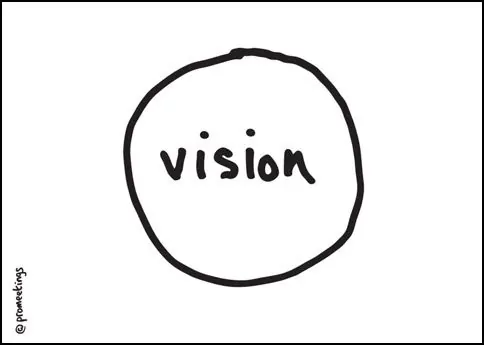
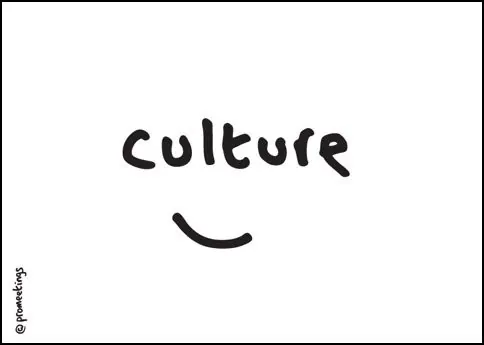
How to use them
- Choose. Lay out all twenty and ask the team to pick the ones most relevant to the decision in front of you.
- Constellate. Arrange the chosen cards on a wall or table to show priority and relationship. The arrangement itself starts the conversation.
- Write or draw. Ask each person to write or draw their insight or priority on each subject, from their own perspective, on a gridcard.
- Look for patterns. Post the gridcards next to the word cards. Look for synergies, encourage differences and explore the patterns of thought.
- Agree. Use what you see to create common understanding and agree where to focus.
Why it helps
The cards make a strategy conversation visible and shared. They direct attention to the important matters, stop the loudest topic taking over, and make it easy to notice which subjects nobody chose, which is often the most interesting finding.
This kind of structure is at the heart of a good strategy day. See workshop facilitation, or six principles for leading change.
Sean Blair is the founder of ProMeet and Serious Outcomes, an IAF Certified Professional Facilitator and a LEGO® Serious Play® Master Trainer. About Sean.